Introduction and a Brief History
The Structure of the Deck
The Letters (Keywords)
Practices in Divination and Meditation
Introduction and a Brief History
The ogham (pronounced oh-uhm) is first known alphabet of Ireland. As the Gaels traveled to other lands and settled there, they brought this writing system with them, making ogham among the oldest known alphabets of Scotland, the Isle of Man, Wales, and Cornwall as well. Today, stones carved with ogham inscriptions can be found in every Celtic nation but Brittany.
Most modern oghamists rely on the arboreal tradition of ogham (the “tree ogham”) in order to derive the meanings of the letters, but it’s important to remember that this approach is but one of many. Historical texts like the medieval Book of Ballymote, containing both the Scholars’ Primer and the associated Ogham Tract, describe a vast plurality of ogham systems. Some of these systems feature letter design variations, cipher methods, and different letter associations. These letter association systems include the bird ogham, water ogham, sow ogham, dog ogham, ox ogham, cow ogham, foot ogham, nose ogham, food ogham, and herb ogham alongside the now well-established tree ogham. In addition, these texts preserve three “kennings” or ogham phrase associations for each letter. Modern oghamists who utilize the ogham letters in divination, meditation, and ritual may choose to draw from any of these systems or any combination thereof, depending on what feels authentic and appropriate to their practice.
The original 20 ogham letters are clearly grouped into four sets called aicmí (pronounced ehk-mee, or singular “aicme,” pronounced ehk-meh). Each aicme consists of five letters. For example, the first aicme, often called the Beithe aicme, contains B, L, F, S, N.
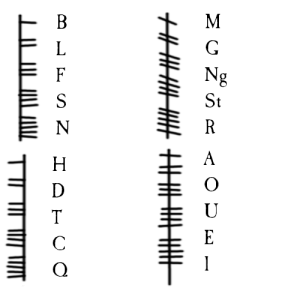
Each aicme is clearly discernable from the others by the type of stroke utilized: rightward, leftward, diagonal, or horizontal. Thus, there are clear connections to be discovered between letters based on (1) the type of stroke and (2) the number of strokes. The glyph known as Fionn’s Window or Fionn’s Ridgepole, found in the text of the Ogham Tract, visualizes this logic by placing the ogham aicmí on a series of rings emulating the roof of a hut.
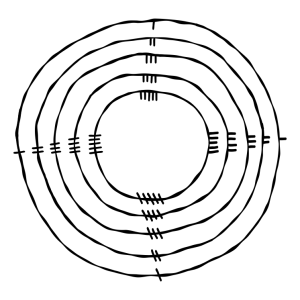
By following the lines on which the letters rest, we can now clearly see that Luis is connected to Duir, Ailm to Muin, and so forth. Meditating on these connections in one’s chosen system of associations often reveals even deeper levels of meaning, guiding the reader towards a richer and more nuanced understanding of each letter.
Historically, the letters of a particular ogham aicme were grouped together based on the consonant and vowel sounds of Primitive Irish. Today, practitioners meditate on the similar connection between the spiritual potencies inherent in the letters.
The Structure of the Deck
The Pale Thorn Ogham deck consists of 40 cards. The 20 letters of the original ogham alphabet are given in two iterations: rooted (indicated by the inverted Y at the bottom of the central line) and unrooted (indicated by a dot).
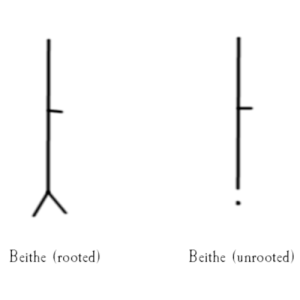
Utilizing two forms of each letter is a deliberate innovation with practical benefits. Rooted ogham can be read as grounded, familiar, or stabilizing (like a tree with firm roots), while unrooted ogham can be read as unexpected, new, or challenging (like a seed on the wind). The letter Beithe–which is read in the arboreal tradition as birch, representing renewal, new beginnings, and nurturing–might be rooted, indicating a well-built cradle for some new project, or it might be unrooted, challenging the querent to nurture some unforeseen opportunity.
Furthermore, a series of ogham cards drawn in a line can speak through new layers of patterns, framing the reading in interesting ways. In a three card spread consisting of (1) a rooted ogham, (2) an unrooted one, and (3) another rooted ogham might suggest a brief period of destabilization, a sequence of events in which the querent thinks they understand something, but are briefly challenged in a new lesson before they are restored to firm footing.
| rooted-unrooted-rooted | brief period of destabilization |
| unrooted-rooted-unrooted | a brief respite from challenge |
| rooted-rooted-rooted | an extended period of stability (or boredom) |
| unrooted-unrooted-unrooted | an extended period of exploration (or weariness) |
| rooted-unrooted-unrooted | embarking on a long journey |
| unrooted-rooted-rooted | laying strong foundations after a period of instability |
| unrooted-unrooted-rooted | comfort after a long unstable period |
| rooted-rooted-unrooted | ending of a long period of stability |
Of course, the rooted-unrooted system has another basic, practical benefit: that two of the same ogham letter can now appear in the same reading, creating the opportunity for emphasis and repetition, which are always meaningful in sortilege of any kind. And because each of the ogham letters now has a visual base at its bottom, reversals can be utilized as well, if the practitioner chooses to do so.
The Letters (Keywords)
It is impossible to account for all systems of ogham usage in all of their nuance while also offering a simple, accessible guide to meanings. Nonetheless, one must begin somewhere. Here, then, are some basic guidelines for ogham meanings, encompassing both the kennings and the arboreal tradition. My recommendation is this: consider that, like people, each ogham is capable of more than one personality, depending on context. The key lies in discovering your relationship to the letters and meditating on how each letter’s energy is expansive by design rather than restrictive, capable of containing all of these meaningful associations in different circumstances. By taking this approach, the apparent conflicts between meanings can be appreciated as mysteries–a beautiful, complex constellation of paradox rather than a mere frustration.
*Please note that the pronunciations given here are common modern pronunciations in the arboreal tradition. They are not intended to be universal or precise renderings of the sounds of Old Irish or Primitive Irish.
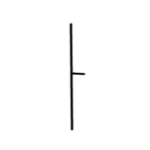
Beithe (pronounced “beh”)
Letter: B
Arboreal Tradition: Birch. Often associated with nurturing, beginnings, and protection of the young or vulnerable.
Kennings:
Morainn mac Moín – “withered foot with fine hair”
Maic ind Óc – “greyest of skin”
Con Culainn – “beauty of the eyebrow”
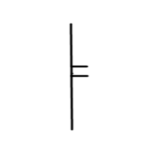
Luis (pronounced “loosh” or “loo-esh”)
Letter: L
Arboreal Tradition: Rowan. Often associated with cunning, spiritual allies, and protection from evil.
Kennings:
Morainn mac Moín – “luster of the eye”
Maic ind Óc – “friend of cattle”
Con Culainn – “sustenance of cattle”
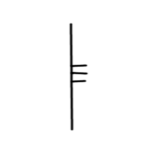
Fearn (pronounced “fyehrn”)
Letter: F
Arboreal Tradition: Alder. Often associated with strength, vitality, and resistance.
Kennings:
Morainn mac Moín – “vanguard of warriors”
Maic ind Óc – “milk container”
Con Culainn – “protection of the heart”
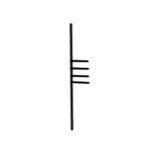
Saille (pronounced “sal-yuh”)
Letter: S
Arboreal Tradition: Willow. Often associated with the otherworld, intuition, love, and deep feeling.
Kennings:
Morainn mac Moín – “pallor of the dead”
Maic ind Óc – “sustenance of bees”
Con Culainn – “beginning of honey”
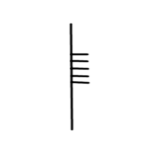
Nuin (pronounced “noon” or “noo-ehn”)
Letter: N
Arboreal Tradition: Ash. Often associated with creativity, community, and interdependence.
Kennings:
Morainn mac Moín – “establishment of peace”
Maic ind Óc – “boast of women”
Con Culainn – “boast of beauty”
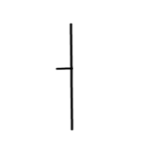
Huathe (pronounced “hoo-ah”)
Letter: H
Arboreal Tradition: Hawthorn. Often associated with boundaries, guarded treasures, and warding off enemies.
Kennings:
Morainn mac Moín – “a pack of hounds”
Maic ind Óc – “white of face”
Con Culainn – “most difficult by night”
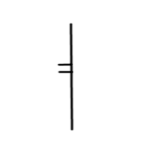
Duir (pronounced “dahr”)
Letter: D
Arboreal Tradition: Oak. Often associated with craftsmanship, accomplishment, and the crossing of boundaries.
Kennings:
Morainn mac Moín – “highest tree”
Maic ind Óc – “work of craftsmen”
Con Culainn – “carved of craftsmanship”
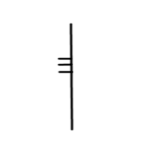
Tinne (pronounced “tin-uh” or “chin-yuh”)
Letter: T
Arboreal Tradition: Holly. Often associated with victory, ferocity, and weaponry.
Kennings:
Morainn mac Moín – “one of three parts of a wheel”
Maic ind Óc – “marrow of coal”
Con Culainn – “one of three parts of a weapon”
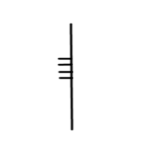
Coll (pronounced “cull” or “cowl”)
Letter: C
Arboreal Tradition: Hazel. Often associated with wisdom, inspiration, and deep insight.
Kennings:
Morainn mac Moín – “fairest tree”
Maic ind Óc – “friend of nutshells”
Con Culainn – “sweetest tree”
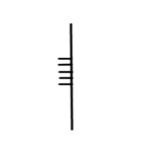
Quert (pronounced “kairt” or “kwairt”)
Letter: Q
Arboreal Tradition: Apple. Often associated with healing, generosity, wholeness, and exchanges.
Kennings:
Morainn mac Moín – “shelter of a wretch”
Maic ind Óc – “substance of a worthless person”
Con Culainn – “rags of clothing”
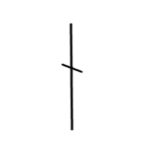
Muin (pronounced “mwen” or “moo-ehn”)
Letter: M
Arboreal Tradition: Vine. Often associated with gifts, kindness, and unexpected pleasures.
Kennings:
Morainn mac Moín – “strongest in exertion”
Maic ind Óc – “proverb of slaughter”
Con Culainn – “path of the voice”
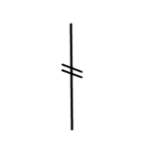
Gort (pronounced “gert”)
Letter: G
Arboreal Tradition: Ivy. Often associated with hard work, reliability, and unyielding dedication.
Kennings:
Morainn mac Moín – “sweetest grass”
Maic ind Óc – “suitable for cows”
Con Culainn – “sating multitudes”
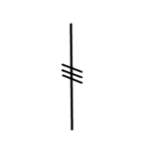
Ngetal (pronounced “nyeh-tehl”)
Letter: Ng
Arboreal Tradition: Reed. Often associated with swift action, strategy, and intelligence/skill.
Kennings:
Morainn mac Moín – “sustenance of a leech”
Maic ind Óc – “raiment of physicians”
Con Culainn – “beginning of slaying”
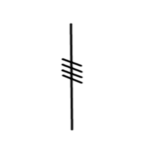
Straif (pronounced “strahf”)
Letter: St
Arboreal Tradition: Blackthorn. Often associated with difficulty, punishing boundaries, and suffering.
Kennings:
Morainn mac Moín – “strongest reddening”
Maic ind Óc – “increase of secrets”
Con Culainn – “seeking of clouds”
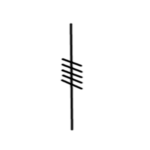
Ruis (pronounced “roosh” or “roo-esh”)
Letter: R
Arboreal Tradition: Elder. Often associated with transformation, power, and risks/rewards.
Kennings:
Morainn mac Moín – “most intense blushing”
Maic ind Óc – “reddening of faces”
Con Culainn – “glow of anger”
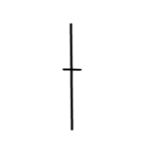
Ailm (pronounced “ahlm” or “ah-lem”)
Letter: A
Arboreal Tradition: Pine. Often associated with clarity, perception, and cleansing.
Kennings:
Morainn mac Moín – “loudest groan”
Maic ind Óc – “beginning of an answer”
Con Culainn – “beginning of calling”
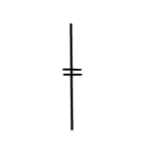
Onn (pronounced “own”)
Letter: O
Arboreal Tradition: Gorse. Often associated with journeys, stamina, and movement.
Kennings:
Morainn mac Moín – “aid of horses”
Maic ind Óc – “smoothest craftsmanship”
Con Culainn – “makings of warrior bands”
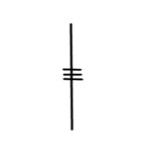
Ur (pronounced “oor”)
Letter: U
Arboreal Tradition: Heather. Often associated with home, family, tradition, and ties with the ancestral dead.
Kennings:
Morainn mac Moín – “in cold dwellings”
Maic ind Óc – “propagation of plants”
Con Culainn – “shroud of a lifeless one”
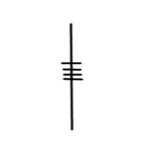
Eadhadh (pronounced “ay-ah”)
Letter: E
Arboreal Tradition: Aspen. Often associated with messages, communication, and expression.
Kennings:
Morainn mac Moín – “discerning tree”
Maic ind Óc – “exchange of friends”
Con Culainn – “brother of birch”
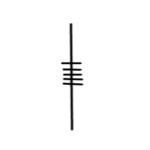
Iodhadh (pronounced “ee-ah”)
Letter: I
Arboreal Tradition: Yew. Often associated with reaping slow rewards, ancient wisdom, and things that endure beyond death.
Kennings:
Morainn mac Moín – “oldest tree”
Maic ind Óc – “fairest of ancients”
Con Culainn – “energy of the infirm”
Practices in Divination and Meditation
The Pale Thorn Ogham deck is designed as a flexible tool for use in divination, meditation, and ritual. Each card represents the energy of its particular letter expressed in either a rooted or unrooted form, designed with minimal distraction in order to celebrate the beauty of the ogham letters themselves.
To begin any session with the deck, consider performing some simple ritual derived from your own spiritual practice, perhaps by lighting a candle or some incense and calling briefly to your ancestors, your guides, or your gods in whatever way feels natural and authentic to you. The important thing is to establish a pattern, a single way of marking the beginning of ogham practice so that it becomes a clear announcement to yourself and the hidden company that something special is about to begin.
Divination with ogham cards can be performed similarly to most methods of sortilege or cartomancy. Before beginning, decide on a clear question beginning with what, why, or how. Questions designed for yes or no answers may limit important nuance and key details in a reading, and for this reason, they are best avoided. Decide also what sort of spread you would like to use for the reading. Often, a simple single-card draw will do the trick. Next, shuffle the deck thoroughly (or ask the querent to do the shuffling).
If you choose to utilize a single card spread, reflect carefully on the relationship between the question at hand and the ogham’s associations; often, the message contains layers. For three-card spreads, I recommend interpreting the three positions as release/utilize/embrace. This spread is much like the current of a stream carrying the left-most card away (release) and bringing the right-most card closer (embrace). The central card defines what skills or resources the querent can utilize in this moment to navigate the transition. I find this spread more useful than the popular past/present/future model because it forces us to consider what we can do with the present moment.
Meditation with the ogham cards can be done in many ways. Find a quiet, private moment to yourself, silence your phone, and dedicate a portion of time, even ten minutes, to your meditation. After performing your opening ritual, set a single card or a series of cards before you. Choose one or more ogham letters that represent something you wish to understand better, some quality you wish to nurture within yourself, or some problem you are trying to solve in your life.
Begin by pronouncing the name of the letter and tracing its lines in the air with the index finger of your dominant hand. You may wish to chant the name repeatedly while tracing, or you may wish to perform a simplified Bres ogham by naming the letters of the word itself. In the Bres ogham, for example, Beithe would become Beithe-Eadhadh-Iodhadh-Tinne-Huathe-Eadhadh.
Remember that this is a form of contemplative meditation; the goal is not to “empty” or “clear” your mind, but to allow your mind to explore the possible meanings and associations pertaining to a letter. This exploration should feel free, playful, and meandering. If your thoughts wander too far, return to the ogham, its image and its sound, but resist the urge to strain or to scold yourself. Tether your mind to the ogham loosely, like a branch swaying in the wind: firmly connected, but free to move about in the breeze. When you are finished, you may wish to make note of the images that arose in your mind so that you can consider them more carefully. Even seemingly meaningless thoughts may reveal important truths pertaining to your present situation.

